



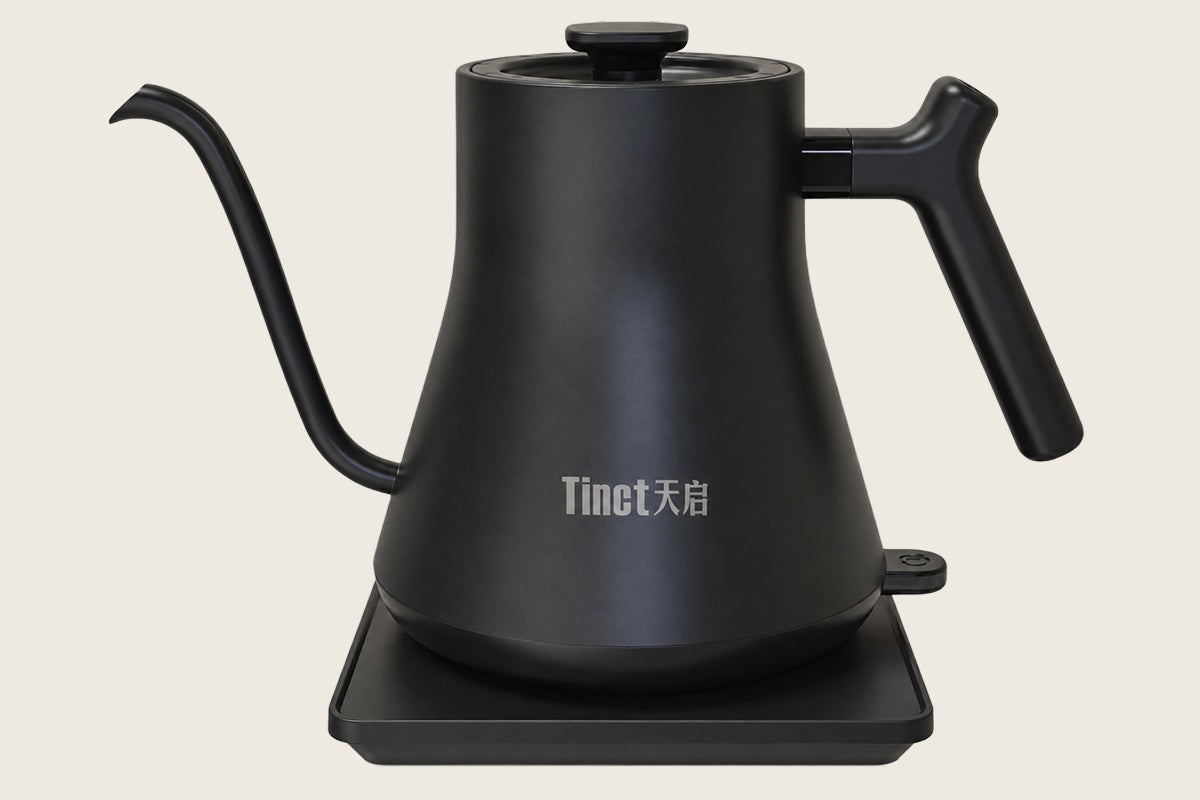
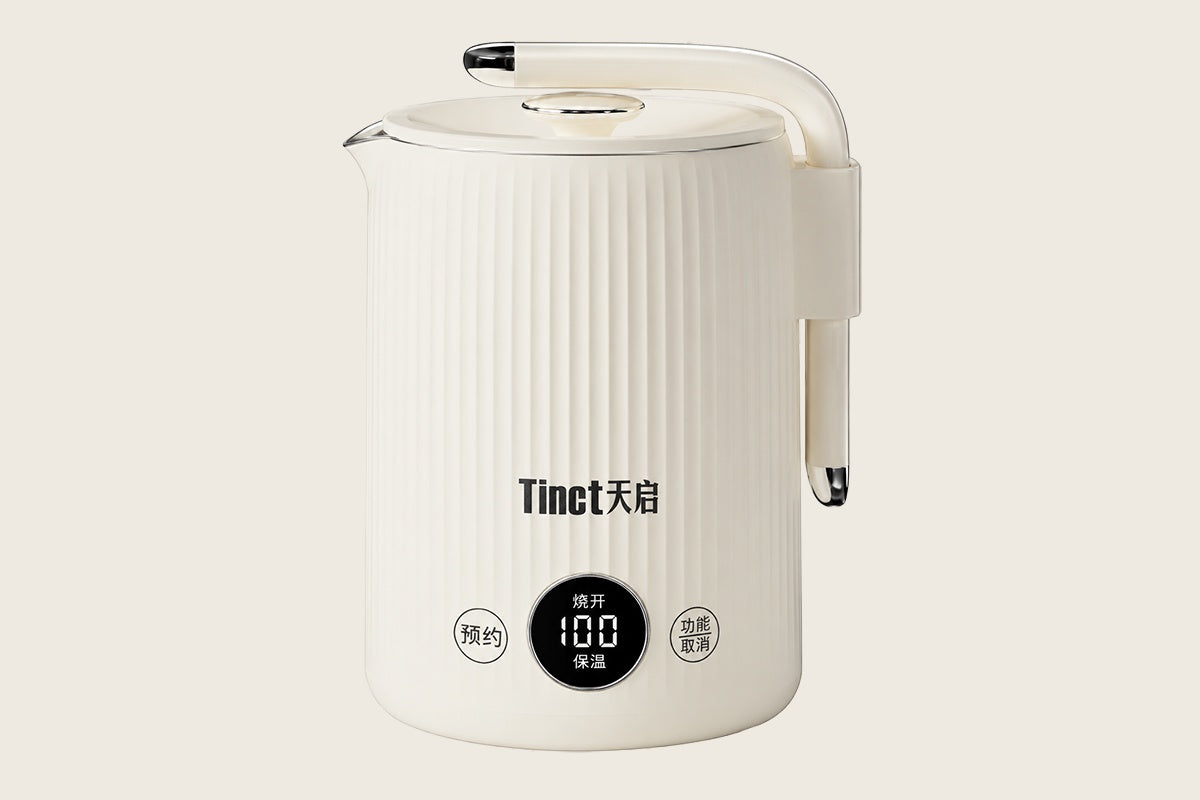
Prepare a useful appliance inquiry by clarifying the product, destination, quantity, configuration, packaging, and commercial basis, so competing quotations can be compared without hidden assumptions.
“Please send your best price” is a reasonable opening message. It is rarely enough information for a quotation you can compare confidently.
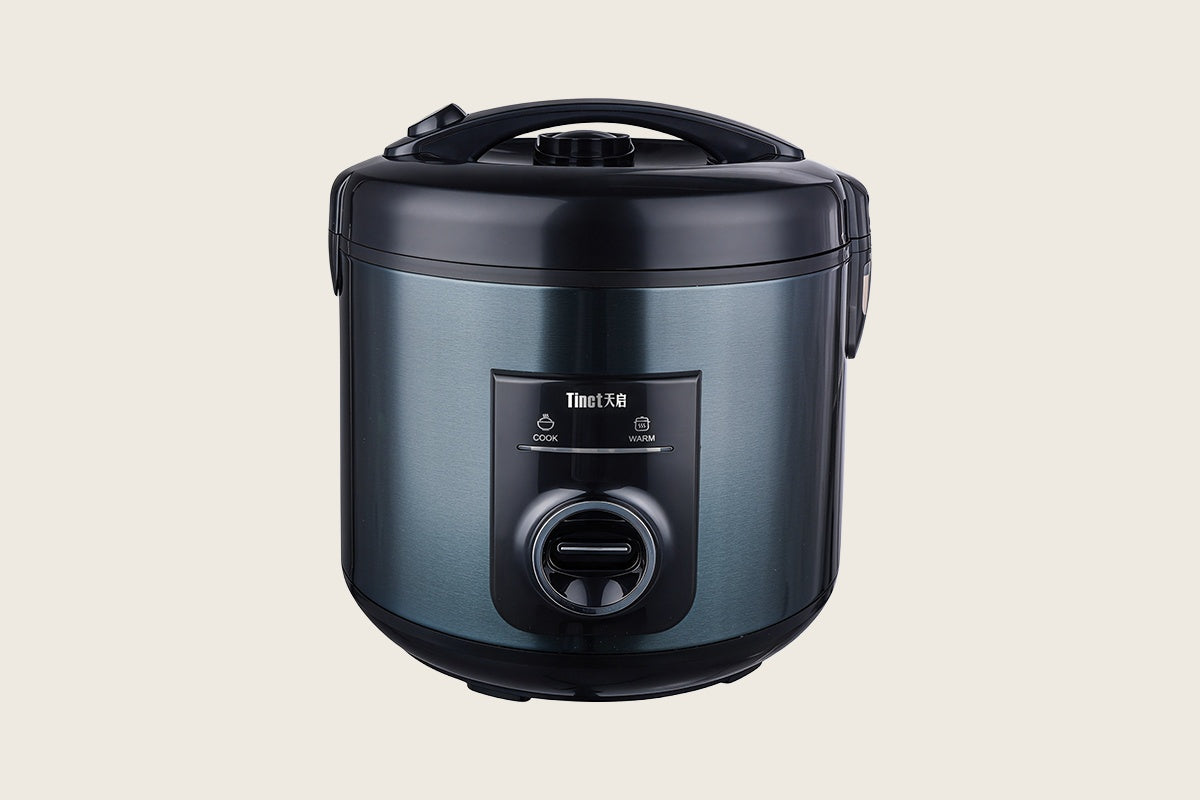
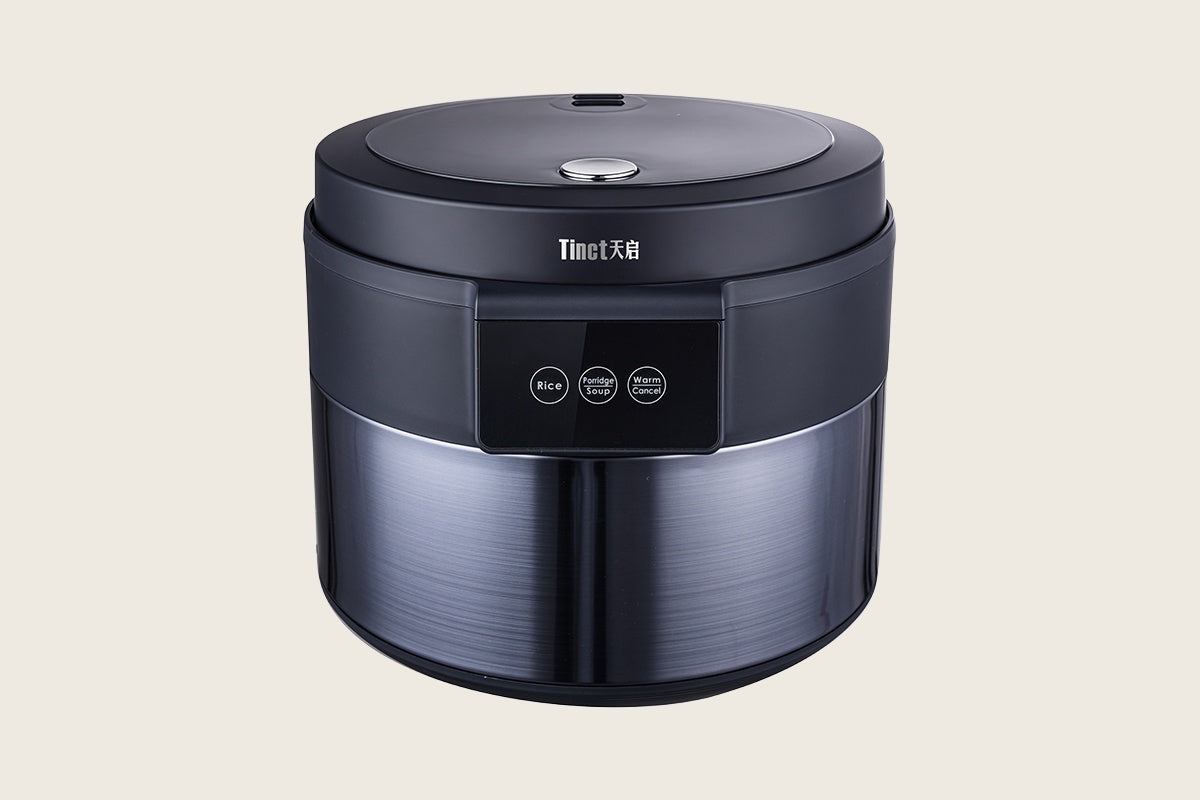
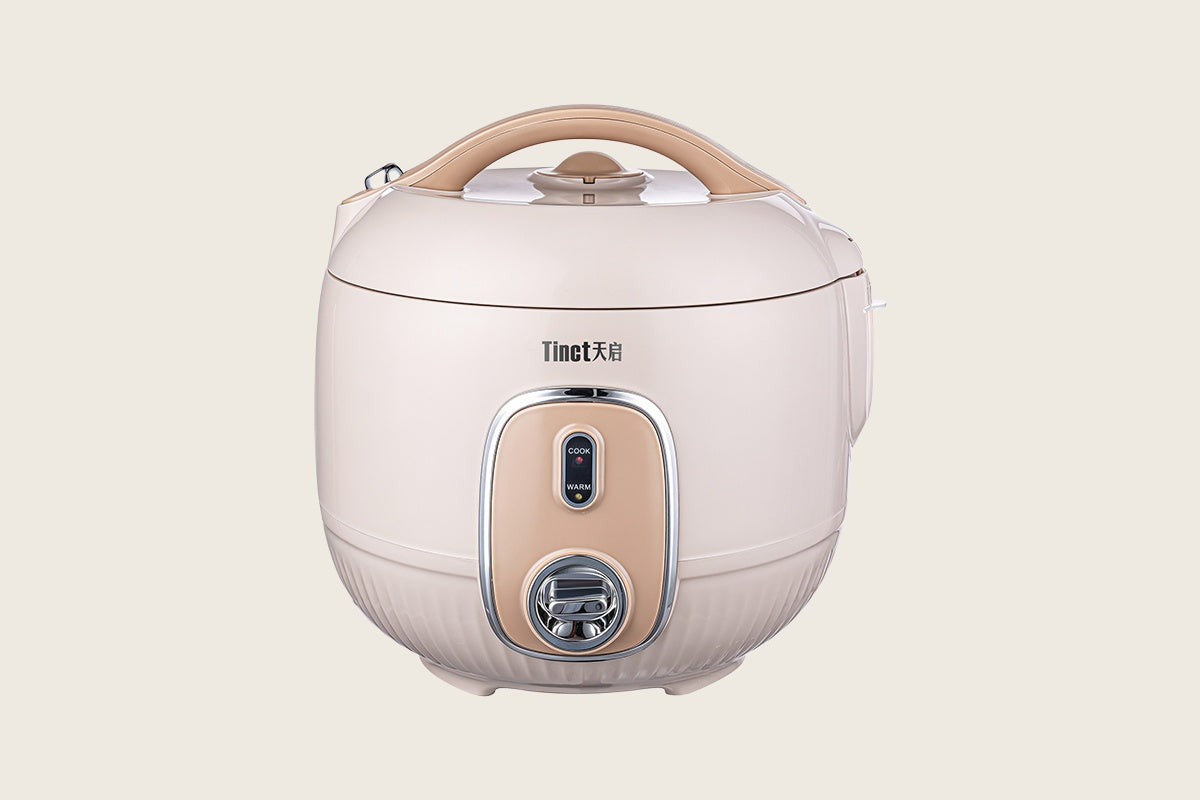
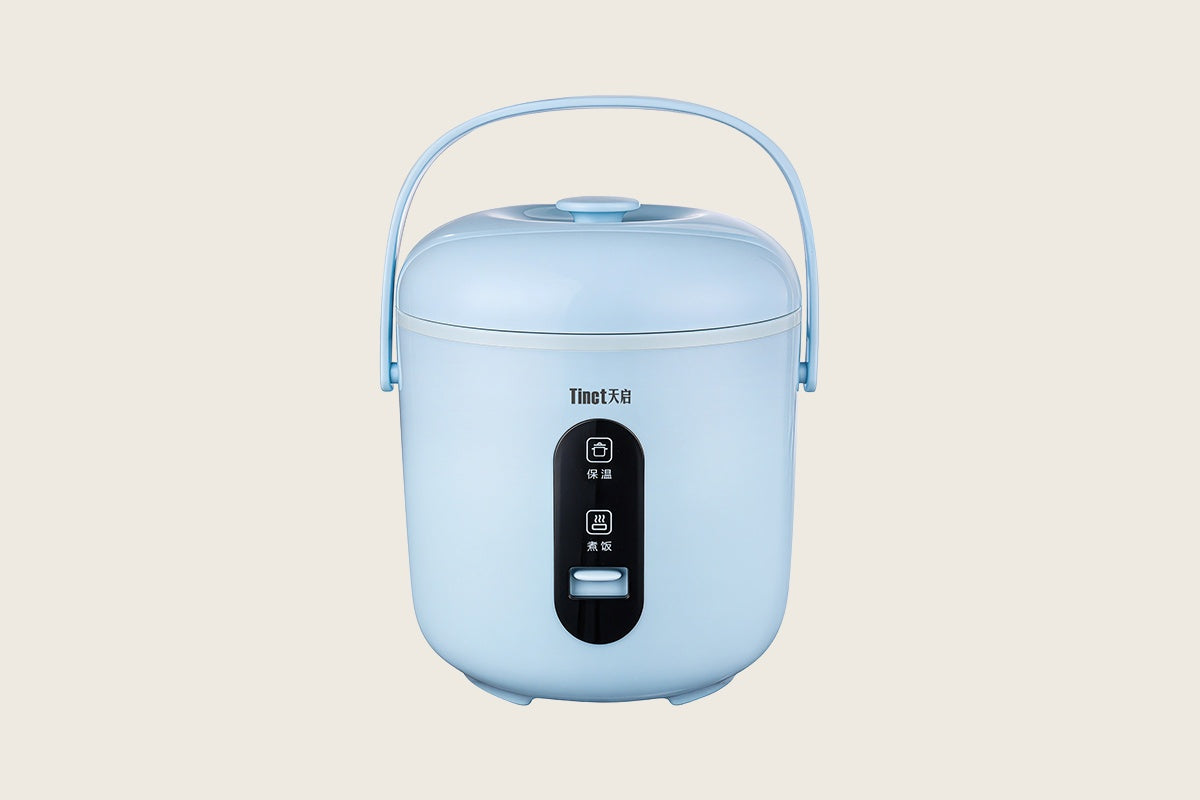
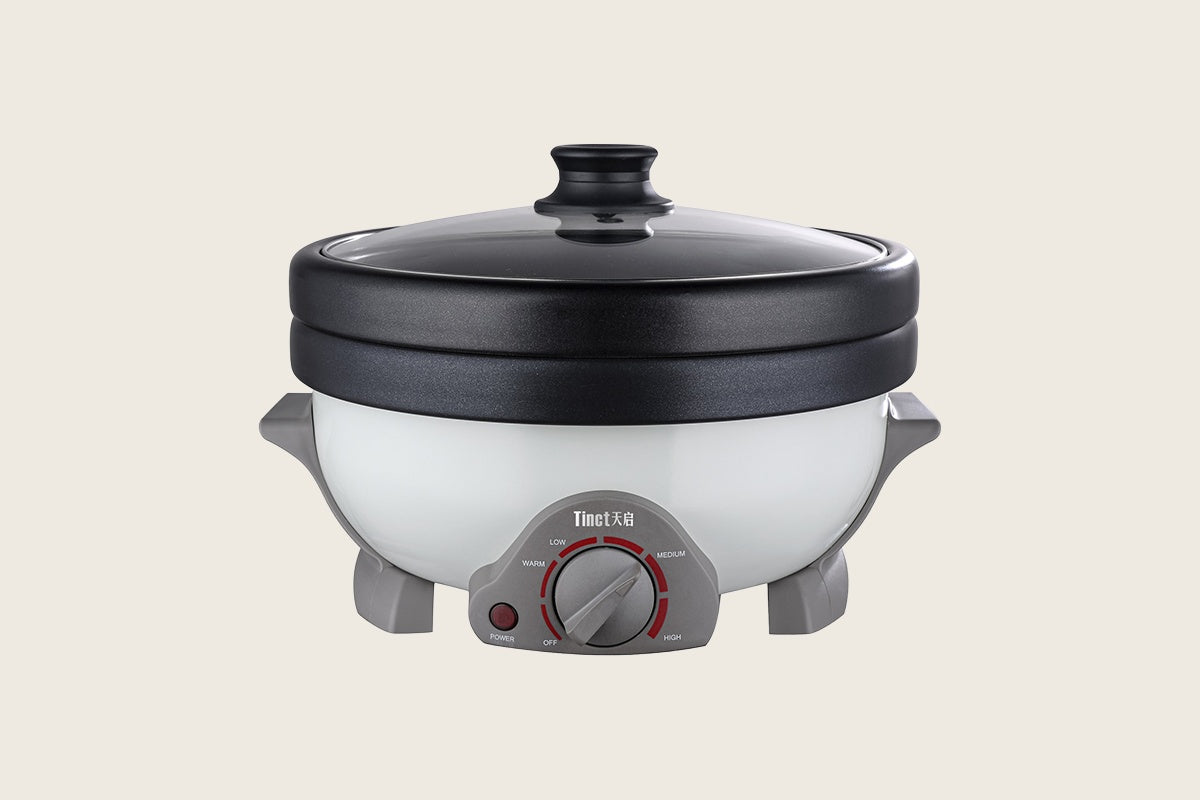
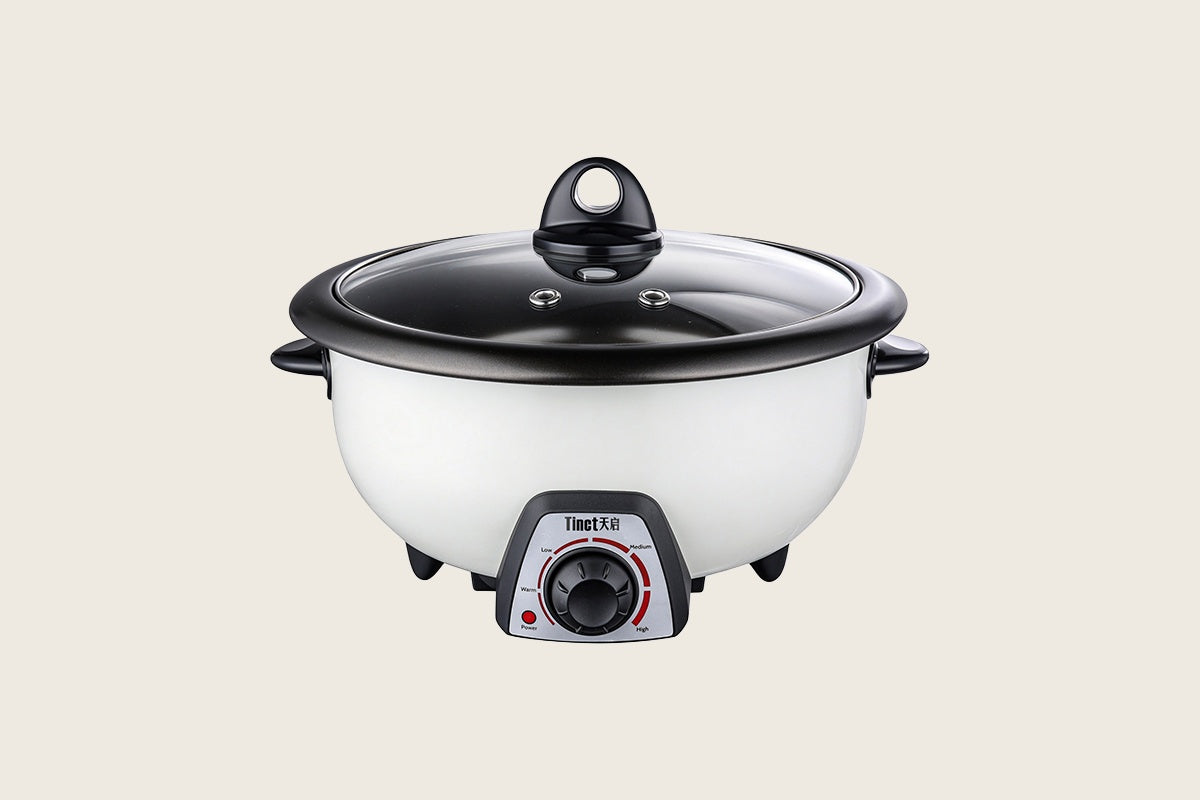
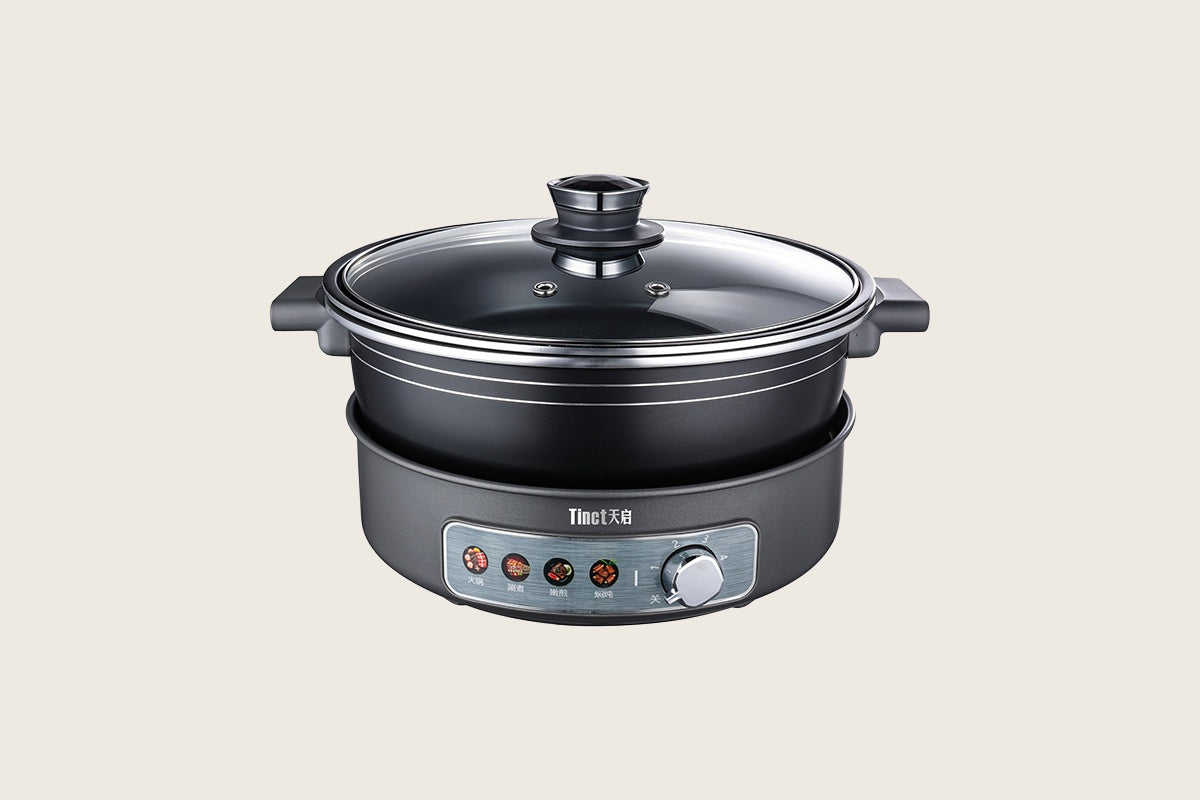
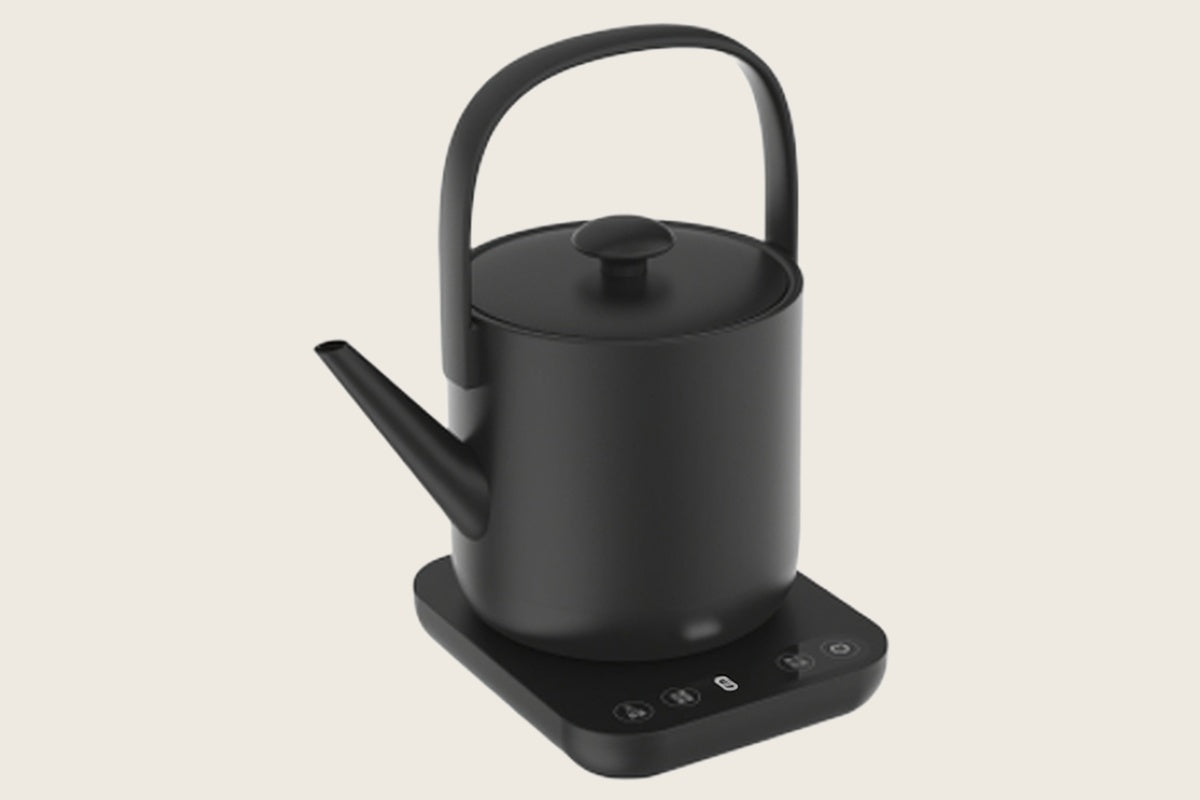
A rice cooker shown in a photograph might be available with different inner pots, controls, accessories, power cords, and packaging. Two suppliers can quote what appears to be the same appliance while making different assumptions about almost every item.
You do not need a complete engineering file before making contact. You do need to distinguish what has been decided from what you want the supplier to recommend.
Describe the product before discussing the price
Begin with a model number, a reference image, or a short description of the product you need. Include the intended capacity, approximate dimensions, control method, main functions, and required accessories.
Explain what a reference image is meant to communicate. It may show the preferred appearance rather than the exact construction. If you want a removable cooking pot but do not need the pictured handle or control panel, say so.
Identify requirements that are essential and those that can be adjusted. This gives the supplier room to suggest a suitable existing platform without changing something important to your market.
Capacity deserves particular care. Ask what a stated figure measures, rather than assuming that every catalog uses the same basis.
Name the destination and sales channel
Provide the country or countries where the product will be sold. Include the intended channel: a retail chain, wholesale distribution, an online store, or another route to market.
This information helps frame the configuration and documentation discussion. Supply the required voltage, frequency, rated power, plug type, and cord requirements where they are known.
If they have not been confirmed, mark them as open questions. A familiar plug shape alone is not a complete electrical specification.
Likewise, list any required product approvals, test reports, food-contact requirements, energy-performance criteria, or retailer-specific conditions. State whether your team will arrange assessment or needs the supplier’s assistance. The applicable requirements should be checked for the particular product and destination before the specification is finalized.
Give quantities that reflect the order
Provide the intended first-order quantity and explain how it will be divided between models, colors, and packaging versions.
A combined quantity can obscure the production requirements. One model in a single color is a different request from several models sharing the same total.
If repeat purchases are anticipated, describe them as an estimate rather than a commitment. Ask the supplier to identify the minimum quantities that apply to the proposed configuration and to show any available price breaks separately.
Also clarify whether you want finished appliances, SKD kits, CKD components, or individual replacement parts. These are different supply requirements, even where they relate to the same product.
Define the customization and packaging
A logo request should cover its position, approximate size, color, and preferred application method where known. More extensive changes need a description of the required outcome, supported by drawings or marked-up images when available.
Packaging should receive similar attention. Confirm the retail box, internal protection, accessories, instructions, labels, barcodes, and outer-carton requirements. Mention any specified transport tests or retailer packaging rules.
Where the artwork is not ready, ask the supplier to state the packaging assumptions used in its quotation. An estimate based on a plain carton should not later be compared directly with a price for a printed retail box and additional protective inserts.
Put the commercial basis in writing
Request a quotation in the required currency and specify the delivery basis, including the named place or port and the chosen Incoterms® version.
ICC explains that its rules allocate tasks, costs, and risks associated with delivery. [1] They do not replace the rest of the sales agreement: the U.S. International Trade Administration notes that they do not determine the payment method or timing, or when ownership of the goods transfers. [2]
Discuss those matters separately. Ask the supplier to identify what is included in the unit price and what will be charged separately, such as development, tooling, samples, testing, or freight.
A quotation should also make its validity period and any provisional assumptions clear.
Work backwards from the date you actually need
“Delivery in June” may mean goods ready at the factory, goods handed to a carrier, or stock available in your warehouse.
Specify the required milestone. If you have a planned launch, provide that date as context, then ask the supplier to identify the approvals and production stages needed to support it. Confirm the event from which any stated lead time is measured.
Your first inquiry can be brief. A useful starting package is a product reference, target market, quantity, known configuration, customization needs, and required delivery milestone.
Before authorizing a sample, record what it is intended to demonstrate and which features remain provisional. Before placing a production order, resolve the remaining specification and commercial questions in writing. The goal is a quotation that makes its assumptions visible—so you can compare offers without guessing what each price includes.
Sources
[1] International Chamber of Commerce — Incoterms® Rules
[2] U.S. Department of Commerce International Trade Administration — Know Your Incoterms



Leave a comment
This site is protected by hCaptcha and the hCaptcha Privacy Policy and Terms of Service apply.