

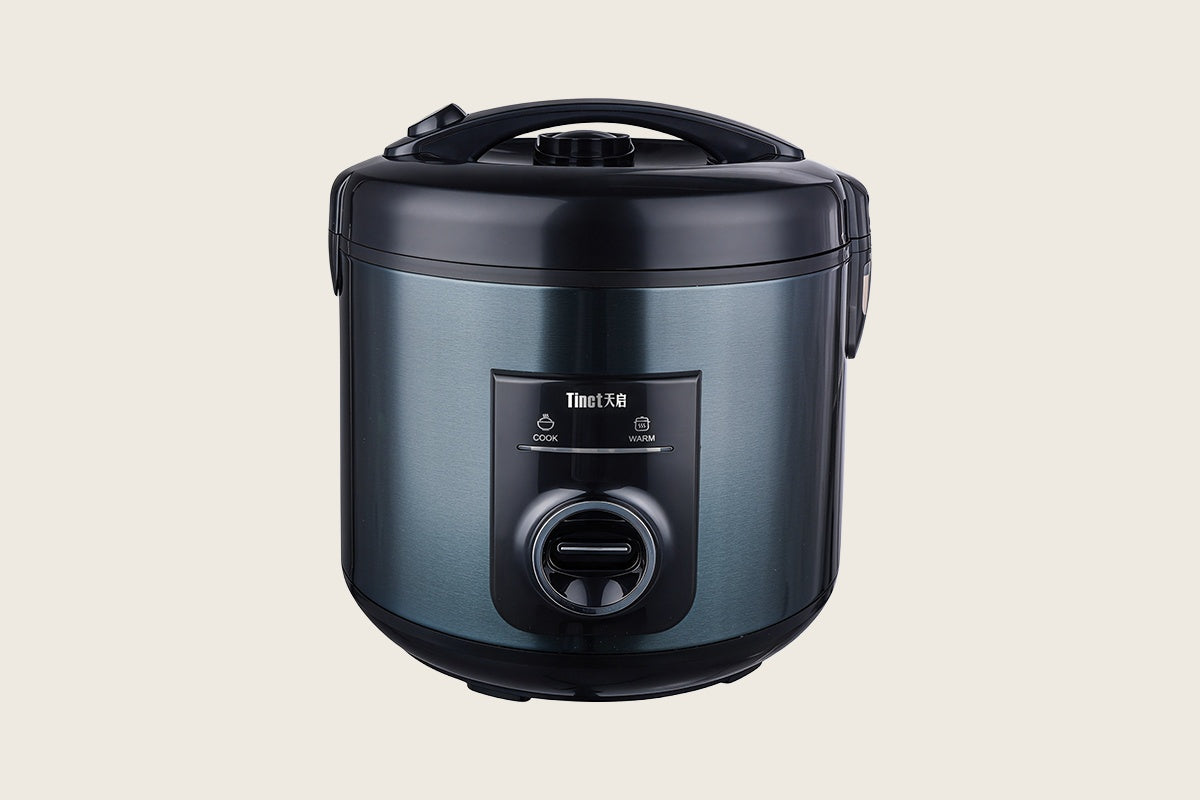
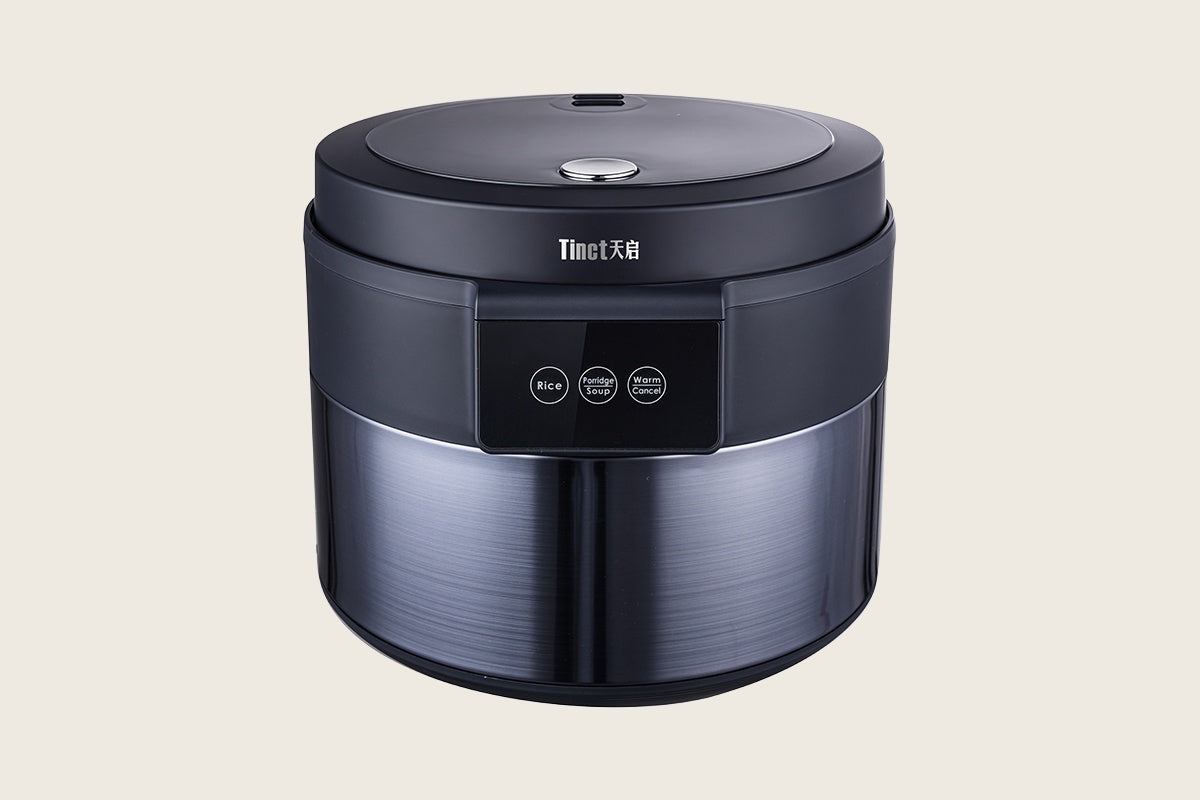
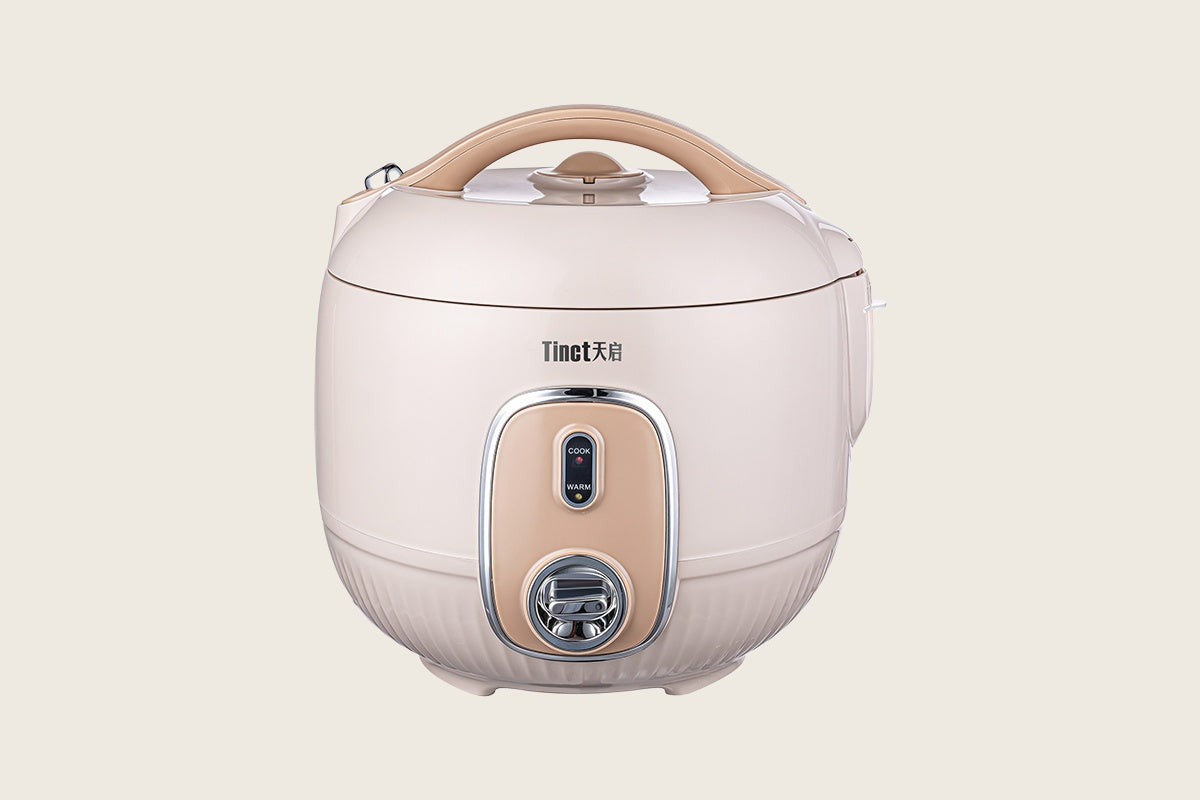
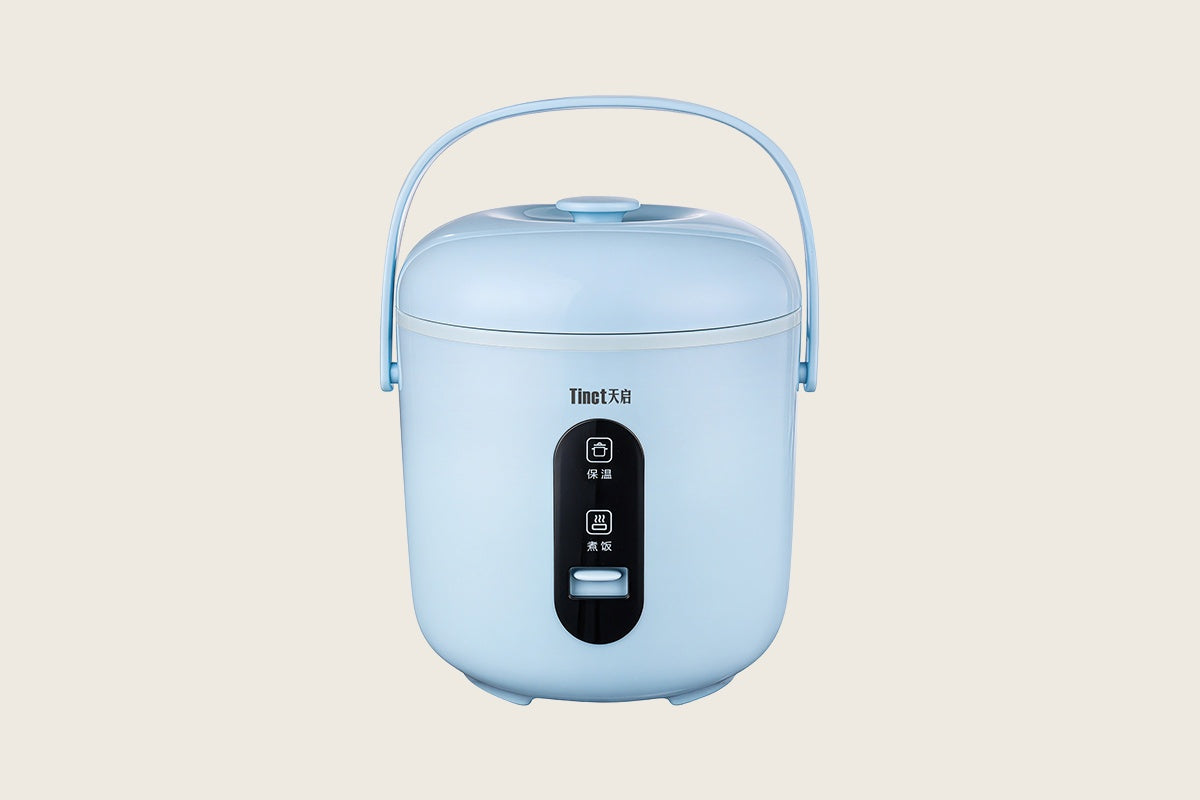
Compare appliance manufacturing approaches by examining the design work, customization, samples, tooling, and ownership involved, rather than relying on OEM or ODM labels alone.
A new appliance project can begin with very different levels of preparation. One buyer has selected a cooker and needs its own branding and packaging. Another has a complete product specification. A third has identified a gap in the market but has not yet decided how the appliance should work.
All three may ask a factory for “OEM or ODM services.” They are not asking for the same work.
Before comparing suppliers, establish what already exists, what needs to be developed, and which decisions remain open. Those questions will tell you more about the project than either acronym.
Establish what the supplier means
OEM stands for original equipment manufacturer; ODM stands for original design manufacturer. In common usage, OEM work often involves manufacturing to a buyer’s design or specification, while ODM includes a design supplied or developed by the manufacturer.
The terms are also used more loosely in commercial discussions. A supplier may describe branding an existing model as OEM, private label, or product customization. An ODM offer may involve adapting an existing design rather than developing a completely new appliance.
Ask the supplier to describe the actual deliverables. Will it provide an existing product platform, develop the mechanical design, build tooling, or simply manufacture against approved drawings? A written scope prevents two parties from using the same label for different expectations.
Work from an existing platform when the product already fits
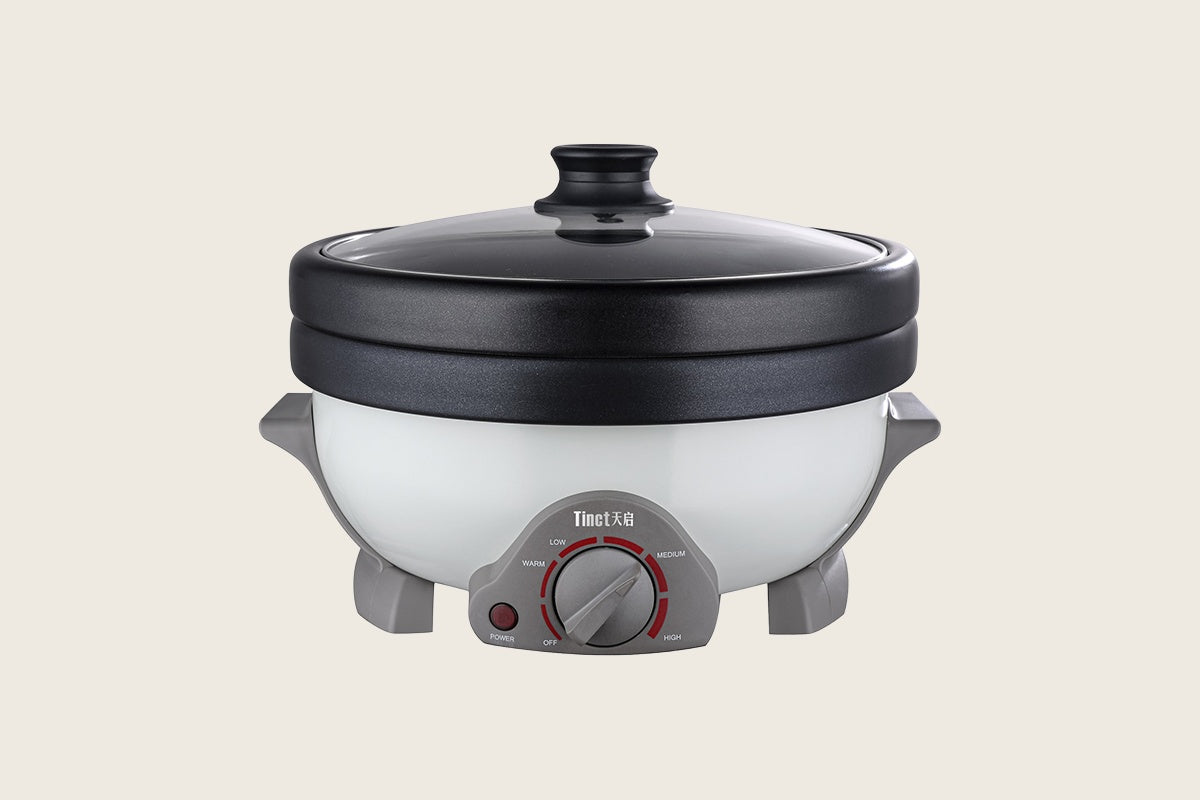
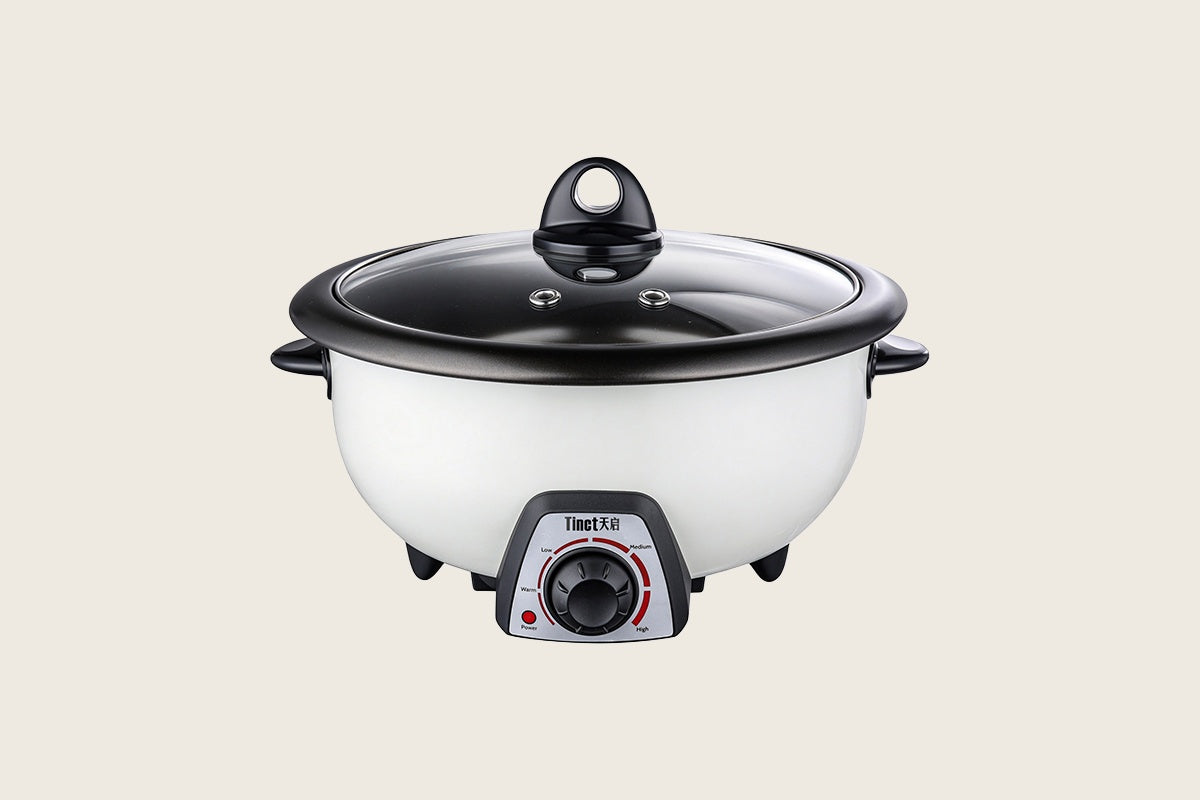
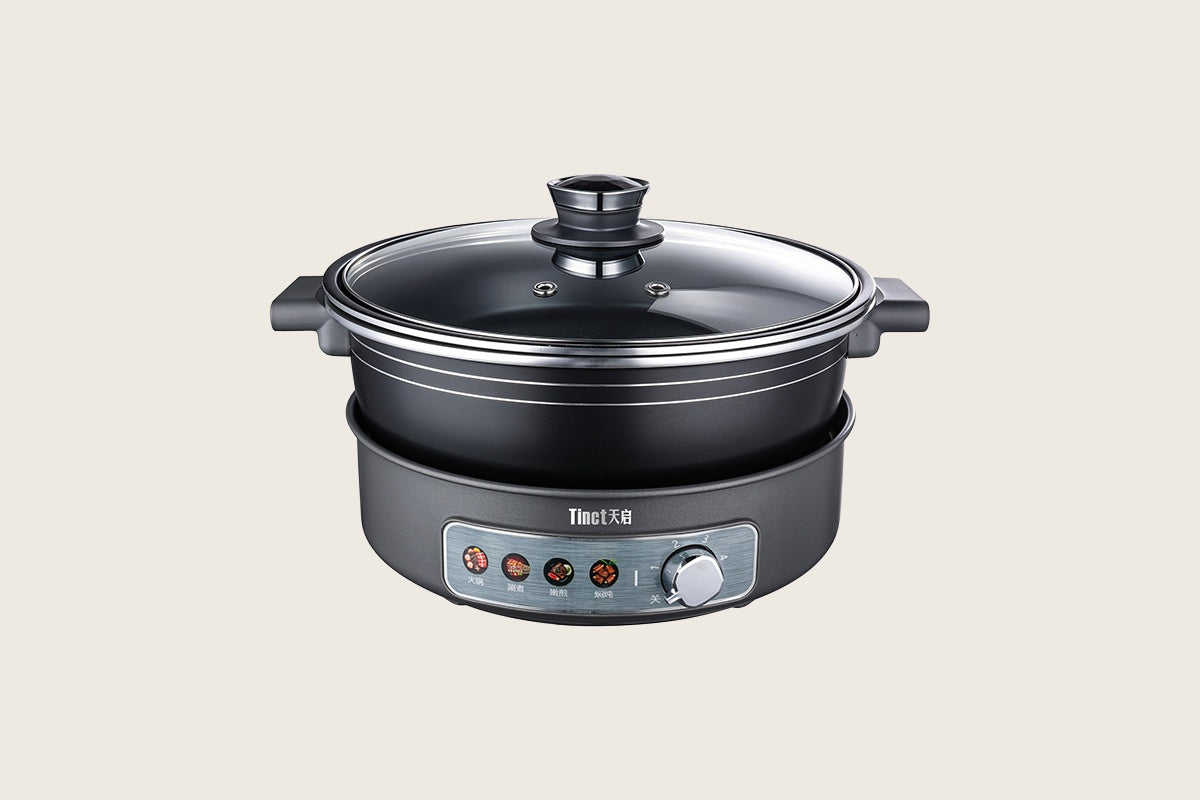
An established product platform is worth considering when its size, cooking performance, construction, and price positioning are broadly suitable for your customers.
The remaining work might cover the logo, color, electrical configuration, accessories, instructions, or packaging. It can also involve changes that appear modest but need further evaluation.
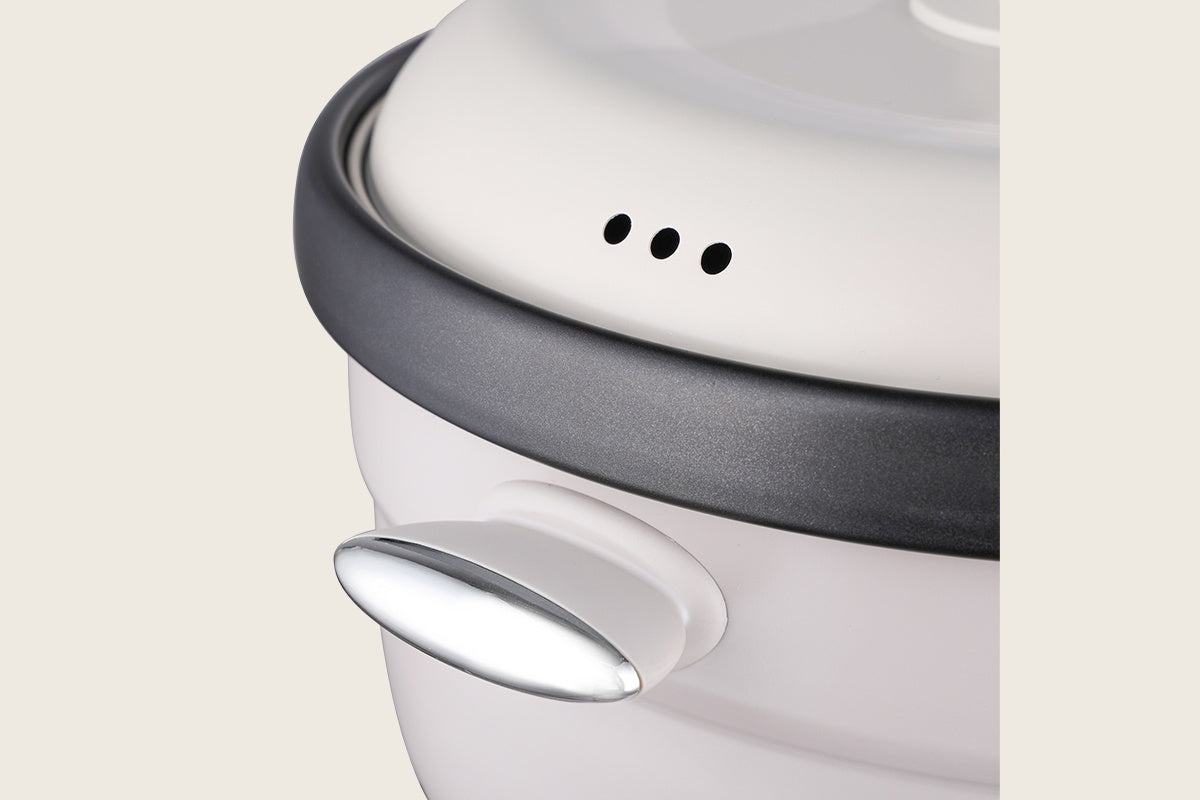
For example, a different handle may require a new mold. A change to a heating component may affect performance and testing. Treat a requested modification as an engineering question until its implications have been assessed.
Ask for a clear distinction between standard options, modifications using existing components, and changes requiring development. This makes the quotation easier to interpret and helps avoid discovering tooling costs after the sample has been requested.
Separate manufacturing from product development
If you already own a detailed design, establish whether it is ready for manufacture. Appearance drawings alone may leave the factory to resolve the internal structure, component selection, assembly method, or test requirements.
A buyer-supplied design therefore needs a defined handover. Identify the drawings, specifications, software, samples, and approved components that form the manufacturing brief. Agree how technical questions and proposed changes will be reviewed.
Where the product is still a concept, a development project may be more appropriate. The initial brief should explain the intended user, the problem the product should solve, its target retail price range, and the functions that matter. It should also identify constraints such as size, available budget, and the intended launch window.
Neither approach removes the need for engineering judgment. The difference is who supplies the design information and who is expected to complete it.
Agree what each sample is intended to prove
The word “sample” can conceal another mismatch.
An appearance model may help you assess proportions and handling without demonstrating cooking performance. A functional prototype may prove an operating principle while using materials or construction methods that will change before production. A pre-production sample should provide a reference for the agreed production version, with any remaining differences documented.
Ask what each sample represents, which features remain provisional, and what must be approved before the next stage. Keep unresolved items in writing rather than accepting a general statement that the sample is “almost final.”
This is particularly important where the packaging, electrical configuration, or internal components will differ from the version first shown.
Discuss ownership before paying for development
Clarify the rights to existing designs and to anything created during the project. The World Intellectual Property Organization recommends identifying both background IP—the rights each party brings—and foreground IP arising from the work. Its guidance also highlights the need to address confidentiality, permitted use, and the end of the supplier relationship. [1]
For an appliance project, practical questions include:
- Who owns the tooling, and who may use it?
- Which drawings and technical files will be supplied?
- What rights apply to design changes and improvements?
- Is any exclusivity limited by product, territory, or time?
- What happens to materials and information when cooperation ends?
Payment for a mold should not be treated as an answer to every ownership question. Record the commercial agreement and obtain appropriate legal advice where rights are material to the project.
Choose a scope you can manage
An existing platform may be the sensible choice when you need a suitable product without commissioning unnecessary development. A new design may be justified where customer requirements cannot be met by adapting an available model.
Choose a scope that gives you the product you need, with responsibilities and approval points that both sides understand.
Sources
[1] World Intellectual Property Organization — IP Agreements with Suppliers: What Ventures Need to Know


Leave a comment
This site is protected by hCaptcha and the hCaptcha Privacy Policy and Terms of Service apply.