

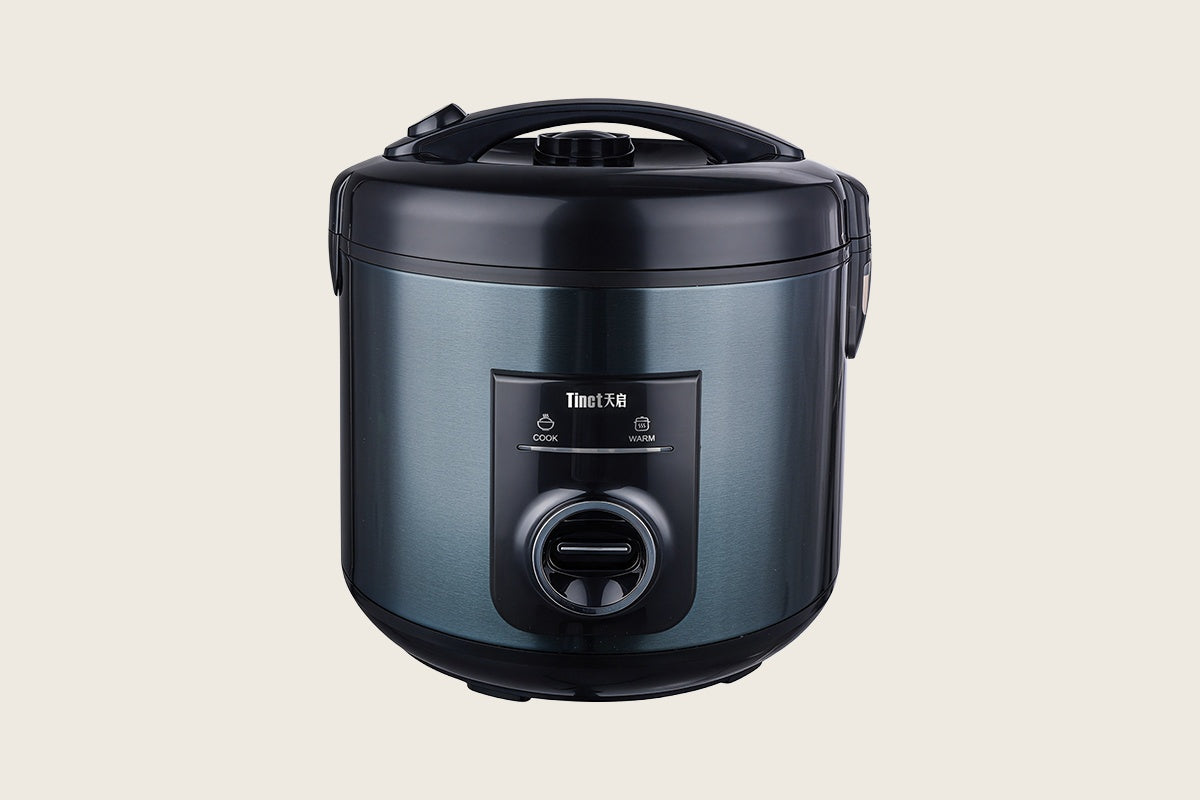
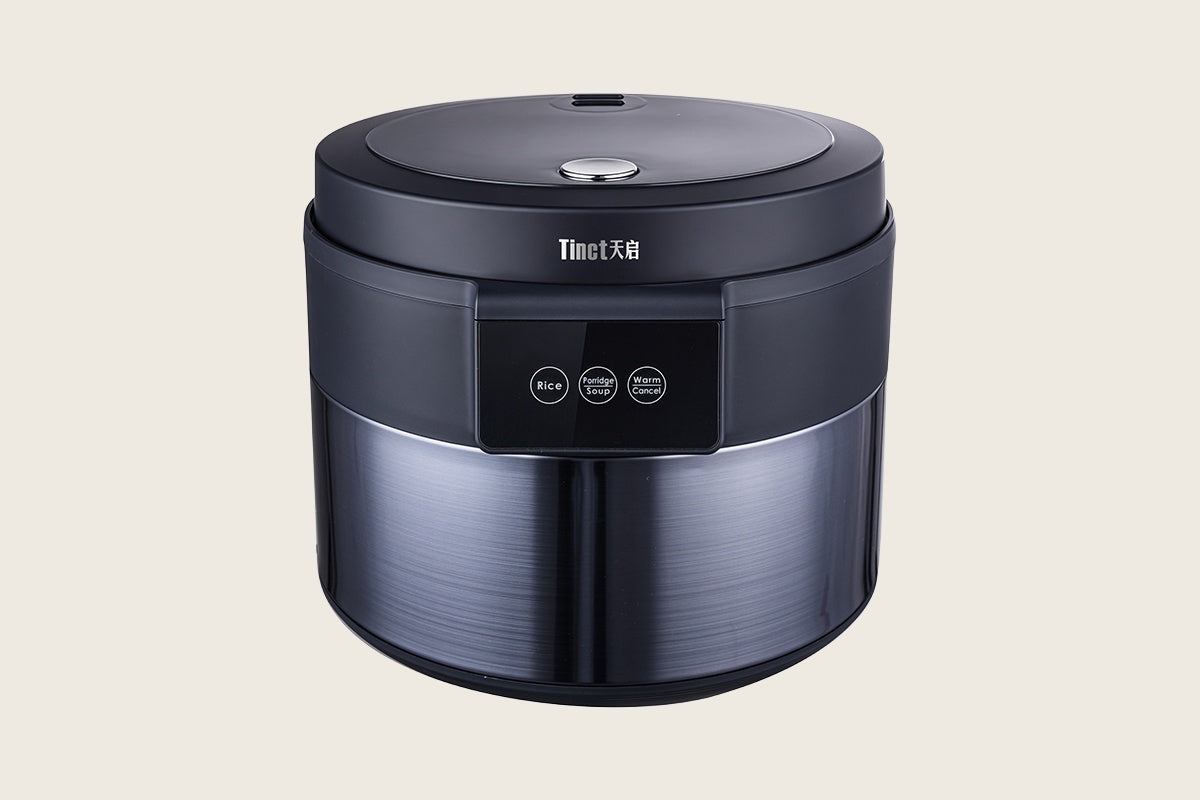
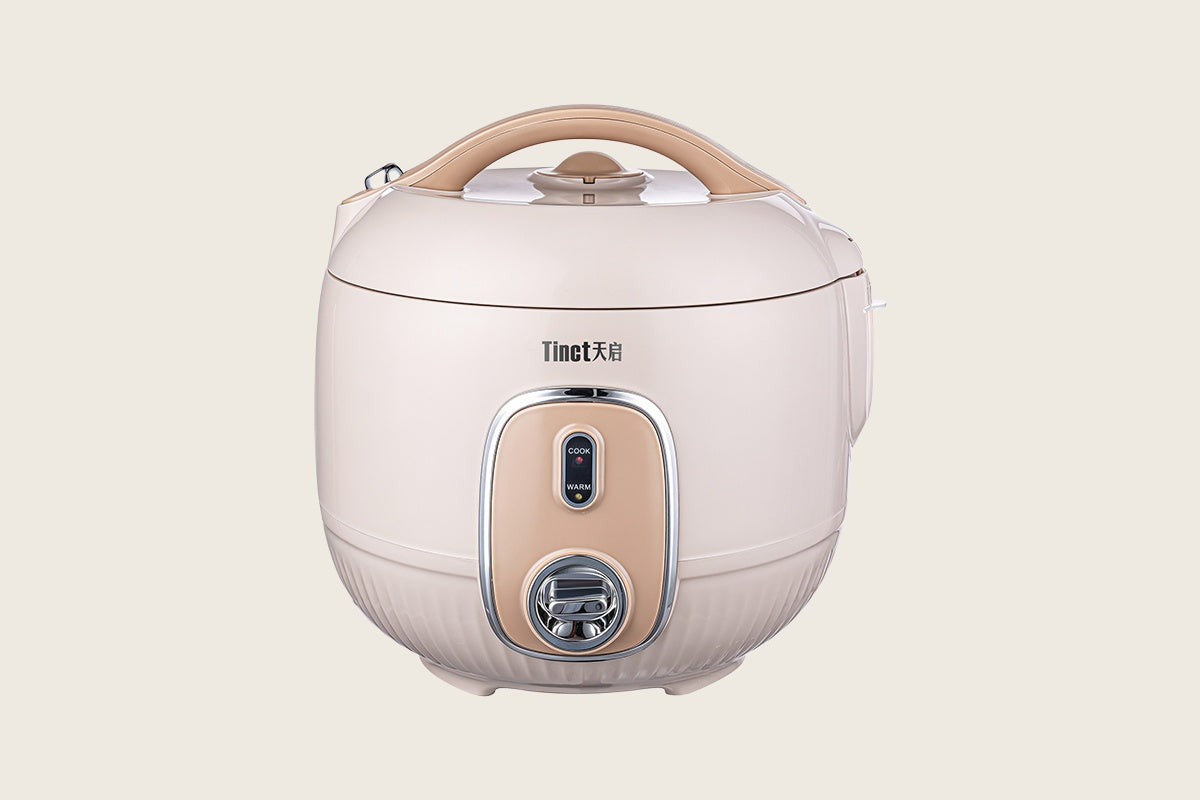
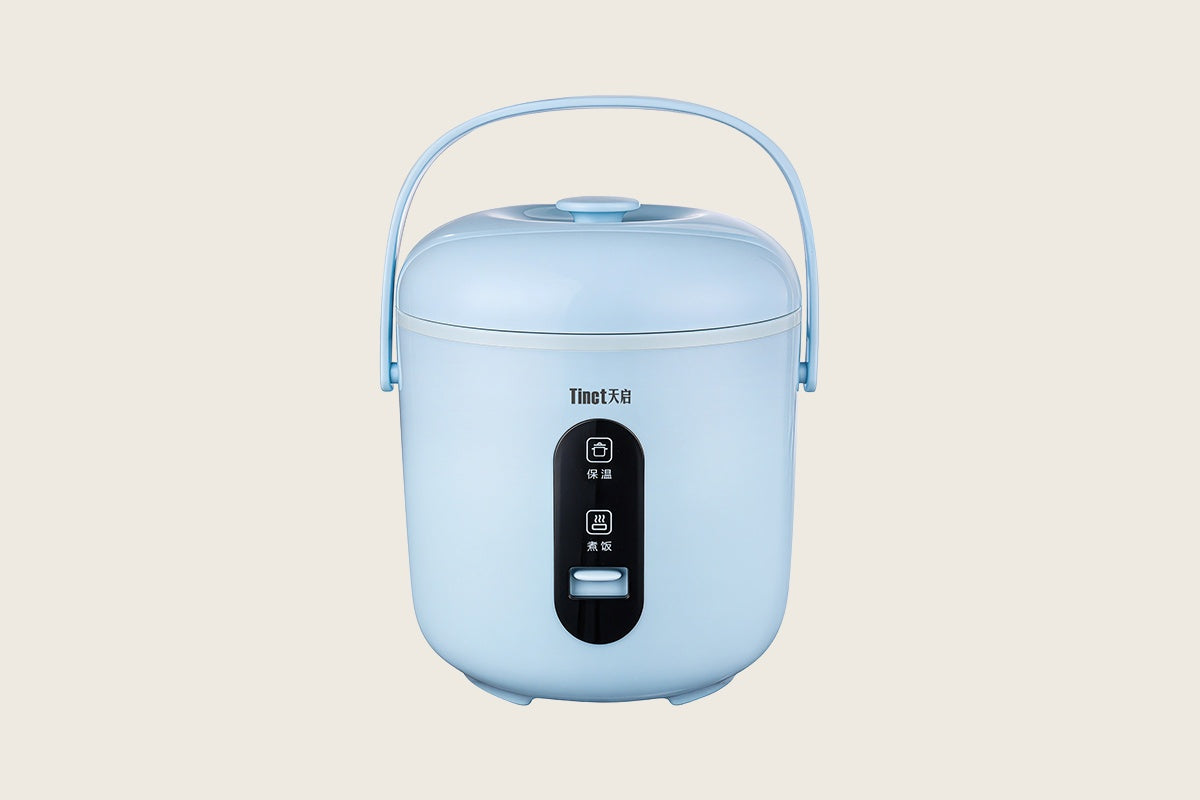

A liter figure alone is not enough to compare rice cookers. Learn how to distinguish uncooked rice capacity, cooking marks, inner-pot volume and cooked yield before approving a specification.
A rice cooker quotation says 1.8 liters. Another lists a larger number for a product that looks almost identical. Before comparing prices or questioning either specification, establish what each figure measures. The disagreement may be about the definition of capacity rather than the size of the appliance.
For a buyer, the useful question is straightforward: how much of the intended food can this model prepare, under the conditions described in its instructions? Answering that requires more detail than a single liter value.
Identify what the number describes
Uncooked rice capacity describes the amount of dry rice the cooker is intended to handle for a specified rice type or cooking program. It may be expressed in rice-measuring cups and, for some models, in liters. Check how the manufacturer defines the measurement rather than assuming that every reference to a cup uses the same volume.
For example, Zojirushi lists its NS-ZCC18 at up to 10 cups or 1.8 liters. Its accompanying note defines capacity using an approximately 180 mL measuring cup and raw short-grain white rice, and states that other grains may vary. In that example, the liter figure describes the stated rice capacity; it is not a claim that the inner pot holds only 1.8 liters of water. [1]
An inner pot's brimful volume is a different measurement: the physical volume it holds when filled to the rim. If a supplier quotes this figure, request the measurement method. Do not use it as the permitted cooking fill level. Cooking limits must follow the model's instructions and relevant markings.
Read the water lines with the cooking instructions
A numbered line inside a pot does not necessarily indicate liters of water. It may show the final water level to reach after a specified quantity of rice has been added.
Panasonic's instructions for several rice cookers follow this approach: measure rice using the supplied cup, put it in the pan, then add water to the corresponding line for that rice and menu setting. The same support guidance also shows different cooking ranges for different programs on particular models. A maximum white-rice capacity should therefore not be applied automatically to porridge, brown rice or another function. [2]
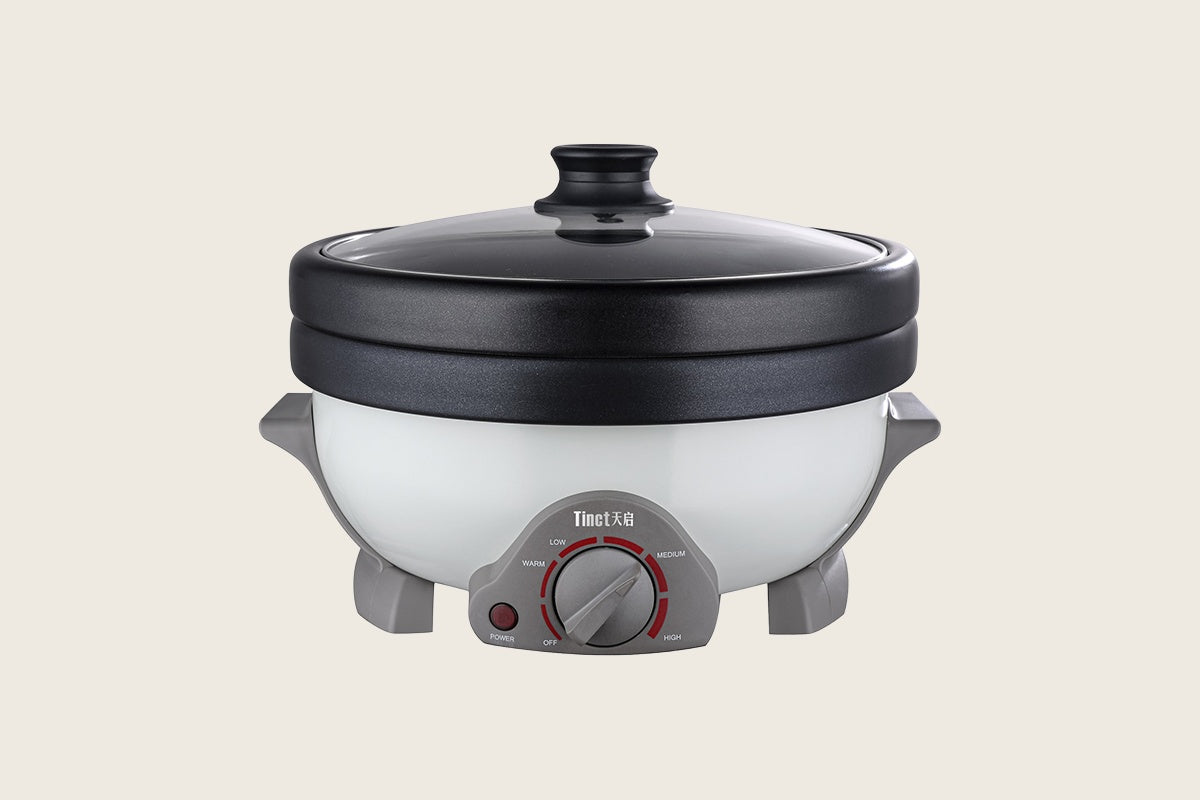
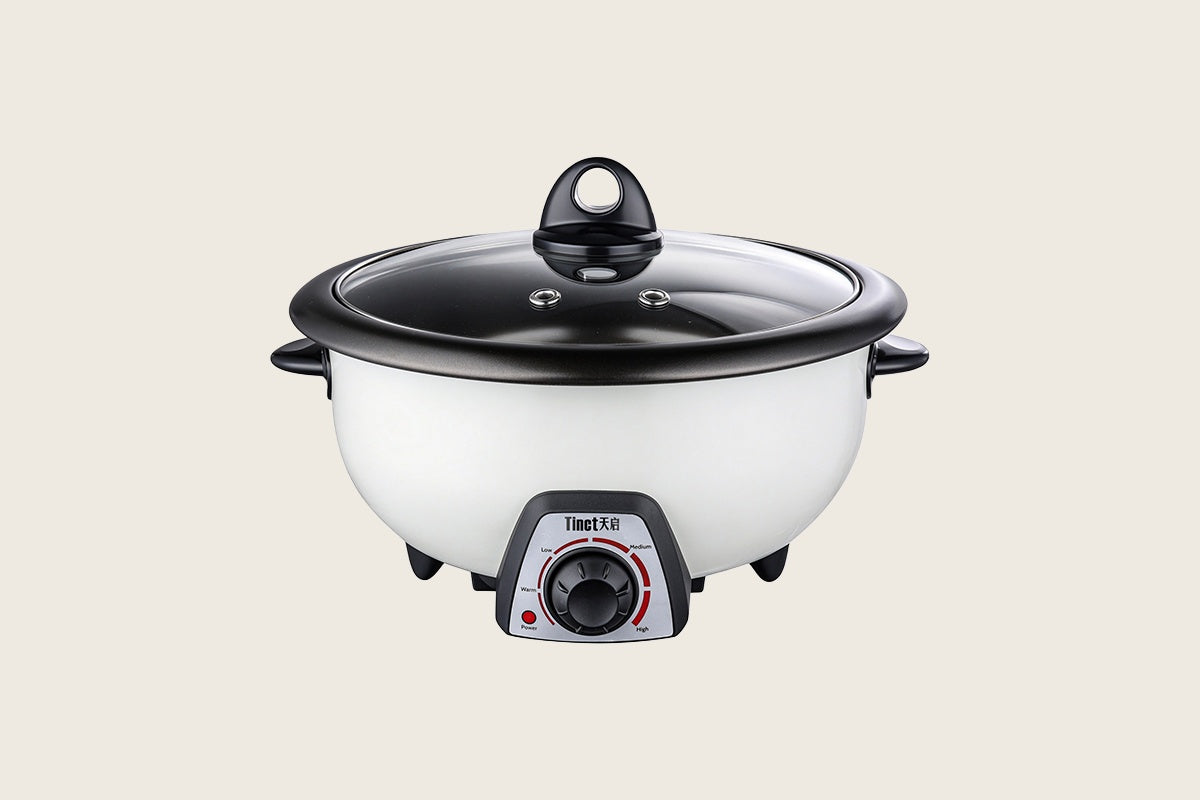
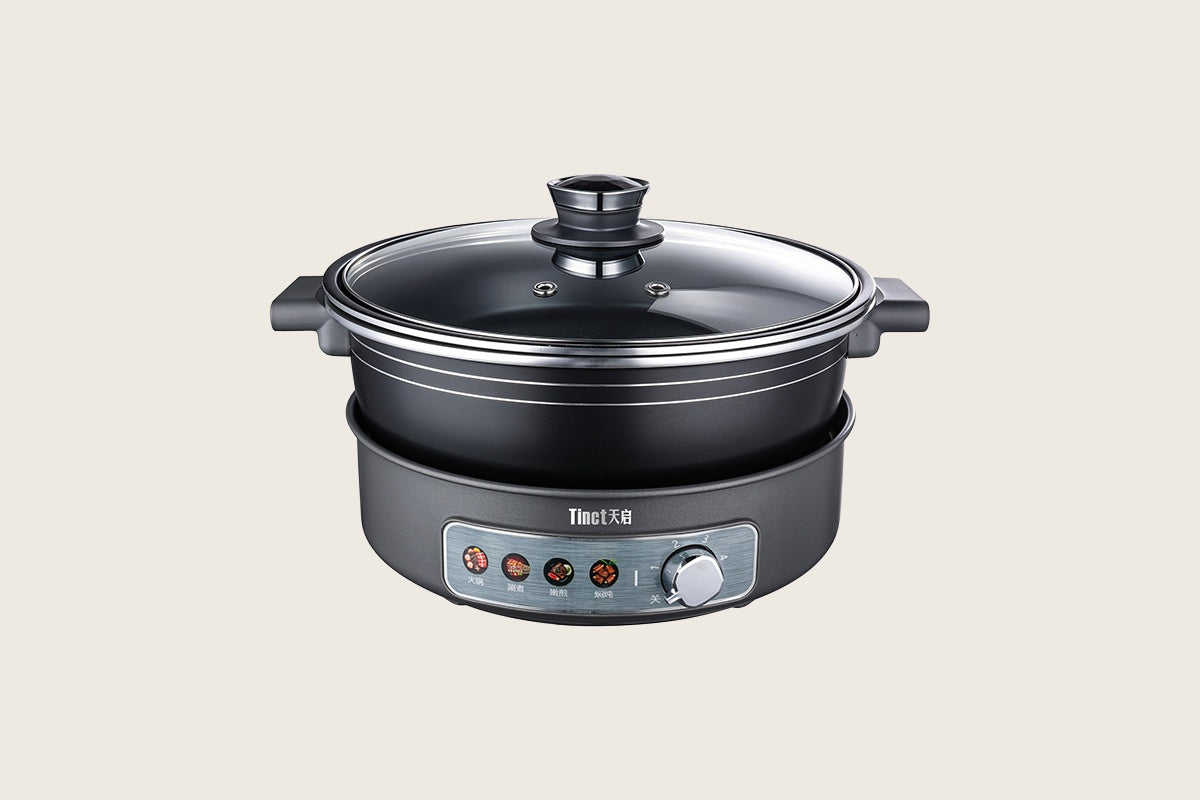
Ask for a clear photograph of the inner-pot markings and the relevant manual pages. A clear close-up of the markings, identified by model and inner-pot version, is more useful than a showroom photograph when checking what the scale actually means.
Keep cooked yield separate
Retail listings sometimes describe cooked cups or the number of servings. These figures answer a different question from uncooked rice capacity. If a supplier offers a cooked-yield claim, ask which rice, cooking method and serving measure were used. Avoid converting every uncooked figure using one assumed multiplier, or turning a serving estimate into a technical rating.
For the same reason, there is no universal conversion from a domestic-market liter label to an export-market liter label. Rules such as 'halve the domestic capacity' or '4 liters becomes 1.8 liters' are not a reliable basis for a specification. Two figures may describe different measurements on one model, but the relationship must be established for that model.
Create one capacity record for each model
Before comparing suppliers, request the following information in the same format:
- The exact model and inner-pot version.
- The declared capacity and its definition, including whether it refers to uncooked rice, cooked yield or another measurement.
- The supplied measuring cup's volume and the rice type used for the capacity claim.
- The minimum and maximum quantities for each function you intend to advertise.
- The inner-pot markings, operating instructions and any separately quoted physical pot volume.
Use the approved record to check the product page, carton, manual and sales material. If one says uncooked cups while another says liters, make their relationship clear. Do not shorten a precise technical description into an ambiguous marketing claim.
Finally, compare cooking performance at the agreed loads as part of the sample evaluation. Two products with matching capacity labels still need to be assessed as complete appliances. Capacity becomes a useful buying criterion only after both suppliers are measuring the same thing.
Sources
[1] Zojirushi — Neuro Fuzzy Rice Cooker and Warmer NS-ZCC10/18 product specifications
[2] Panasonic — How to cook rice with a rice cooker




Leave a comment
This site is protected by hCaptcha and the hCaptcha Privacy Policy and Terms of Service apply.