





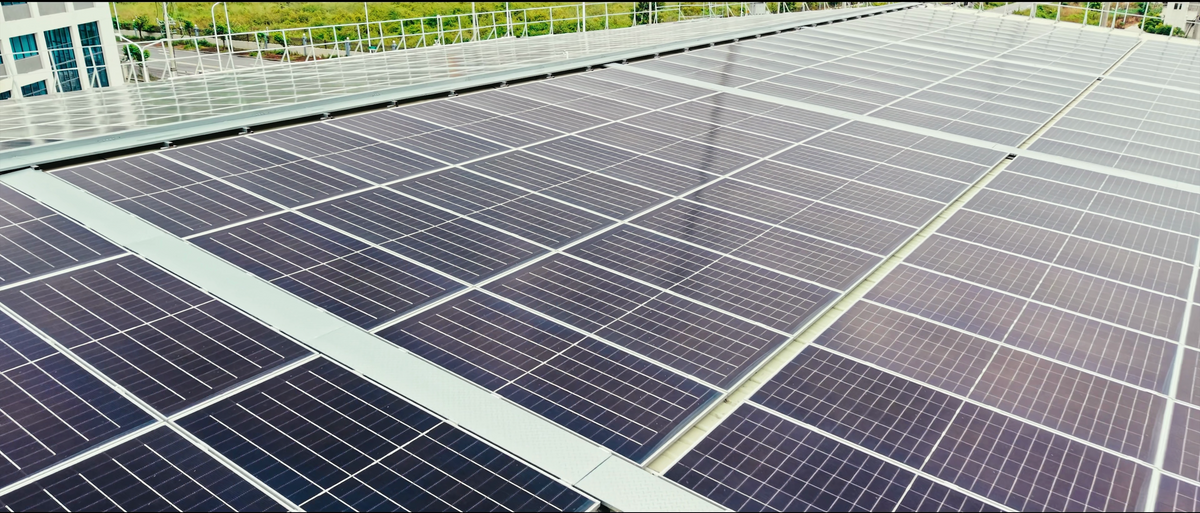
Printing carton face paper, making appliance inner pots and loading finished goods all depend on energy. At TINCT in Zhanjiang, Guangdong, an operating solar photovoltaic system now contributes to the electricity supply behind these everyday jobs.
The system is connected to our factory's electrical network and works alongside grid electricity. Its practical effect is a reduction in the electricity we need to purchase. In favorable sunlight, solar generation can cover most of our daytime production electricity needs, although its contribution varies with the season and weather.
Solar electricity within the factory power system
Our installation supplies the factory network rather than a separate solar circuit dedicated to each machine. Electricity from solar generation and the grid is available through the factory supply system. Surplus solar electricity can be stored or exported, while stored energy, when available, and grid electricity support operations when solar output is lower.
Factory operations need electricity even when cloud cover increases. We use solar electricity when it is available while retaining the grid as part of our normal power supply. The installation therefore contributes to daily production without making the factory dependent on sunshine alone.
Supporting printing and inner pot production
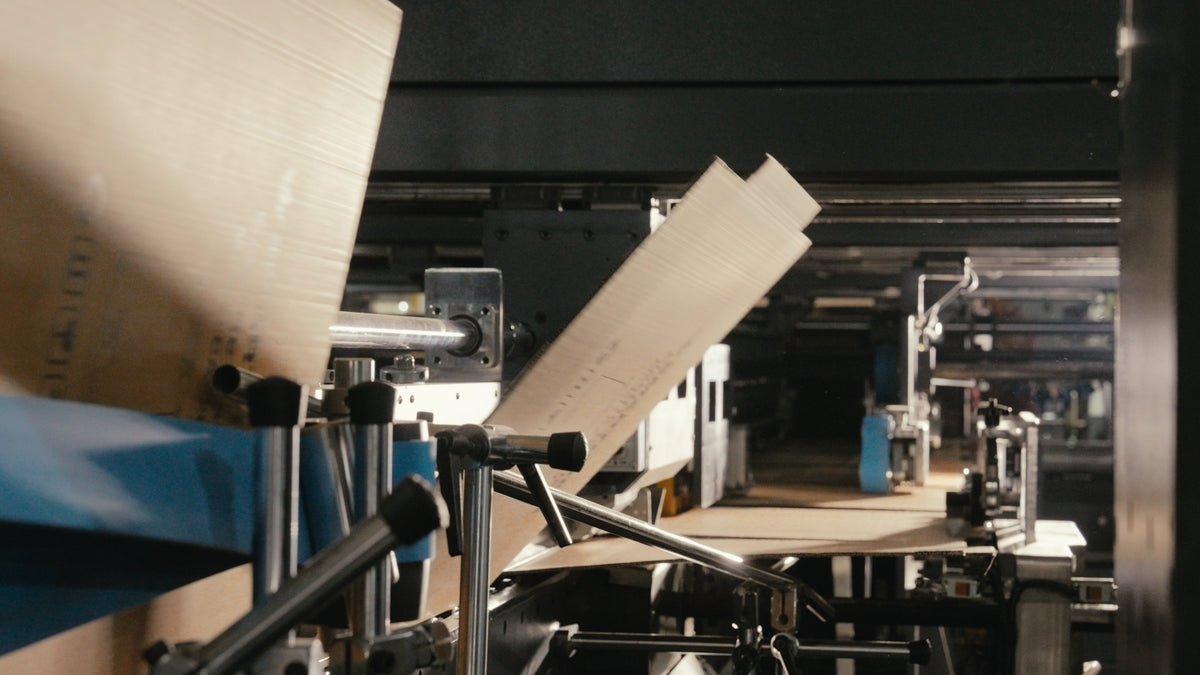
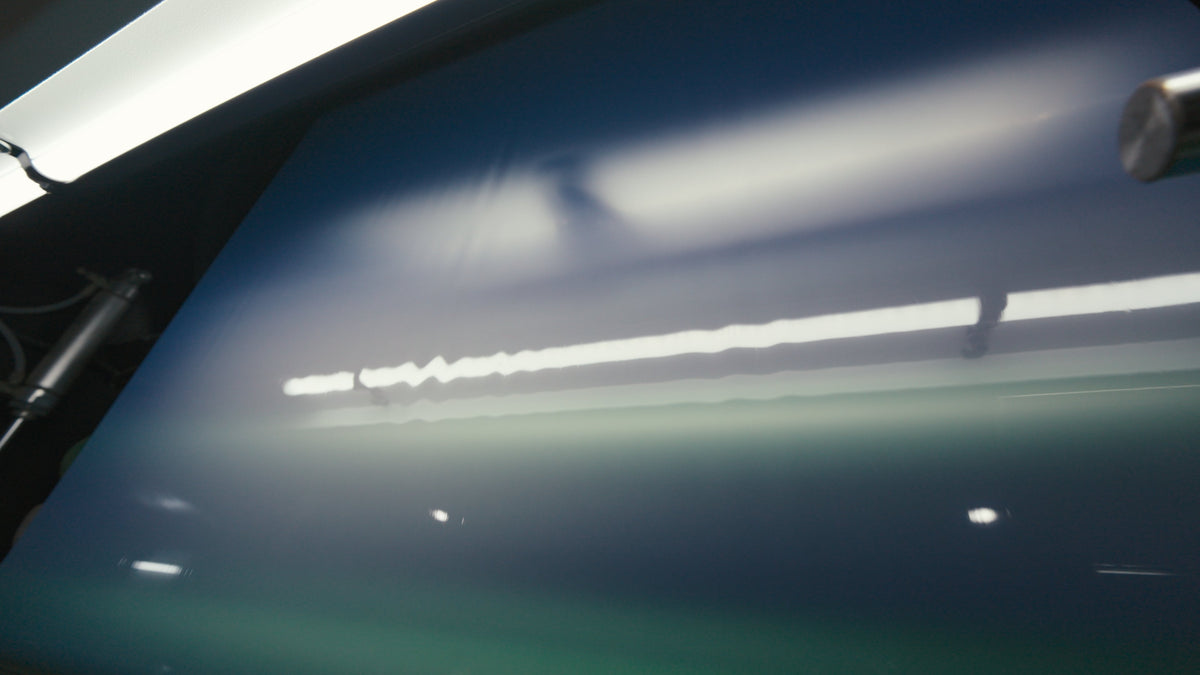
One of the applications is our Heidelberg printing press, which we use to print carton face paper. That work prepares the printed surface of the packaging used for our products. The press draws on the factory's shared electricity supply, so solar generation supports a routine packaging-production task.
The same supply system supports robotic arms in TINCT's die-casting department, where appliance inner pots are produced. This connects the solar project with component manufacturing as well as packaging work. Solar contributes to the electrical supply used by the robotic equipment, alongside grid power.
Working with changes in sunlight
Solar production changes with the amount of sunlight reaching the panels. The US Department of Energy identifies season, time of day, clouds and shading among the factors affecting output. It also explains how energy storage allows electricity to be used at a different time from when it was generated.[1]
For our operations, this means using the available generation within a supply arrangement that also includes storage and grid power. During rainy periods, stored electricity can contribute when available, or equipment can draw on the grid. Strong daytime generation reduces purchased electricity, but it should not be described as a fixed share that applies to every day or shift.
Electric forklifts from receiving to dispatch
Energy choices also affect the way materials move around the factory. We have replaced approximately 80% of our diesel forklifts with rechargeable electric models. The remaining diesel units are retained as backup handling capacity, including during extended rainy periods.
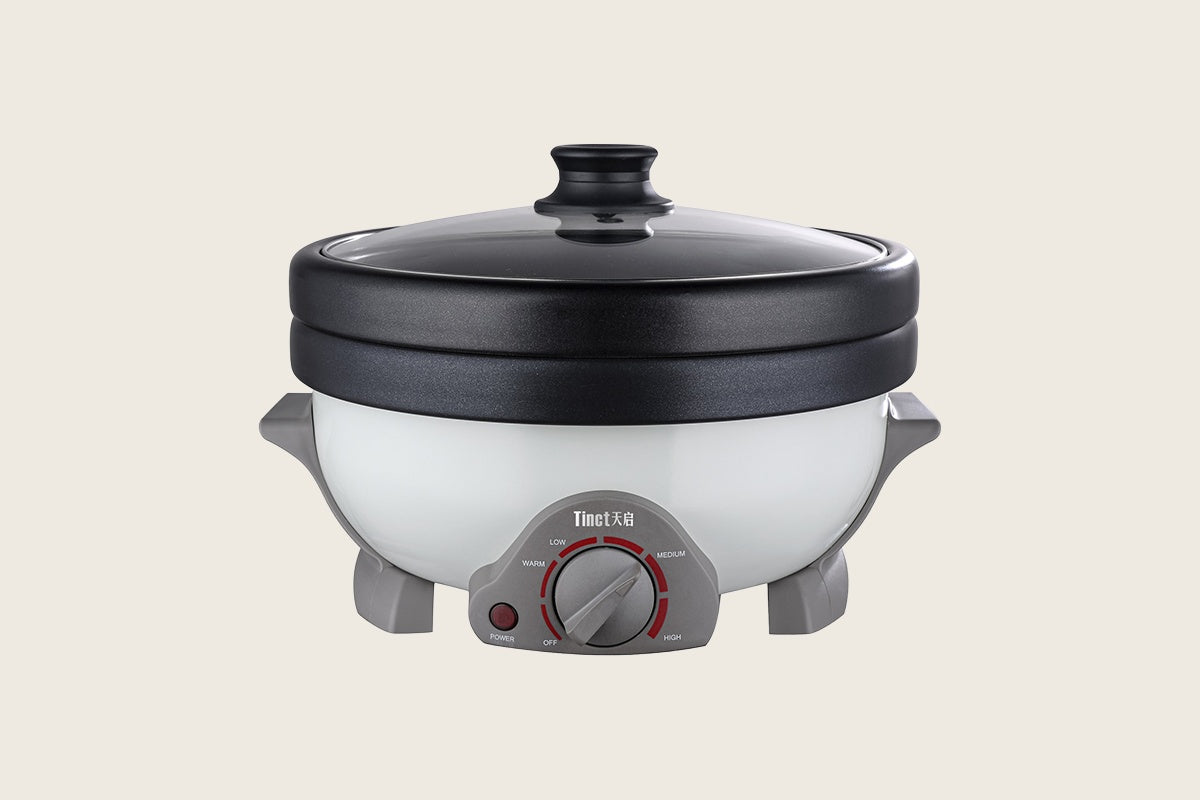
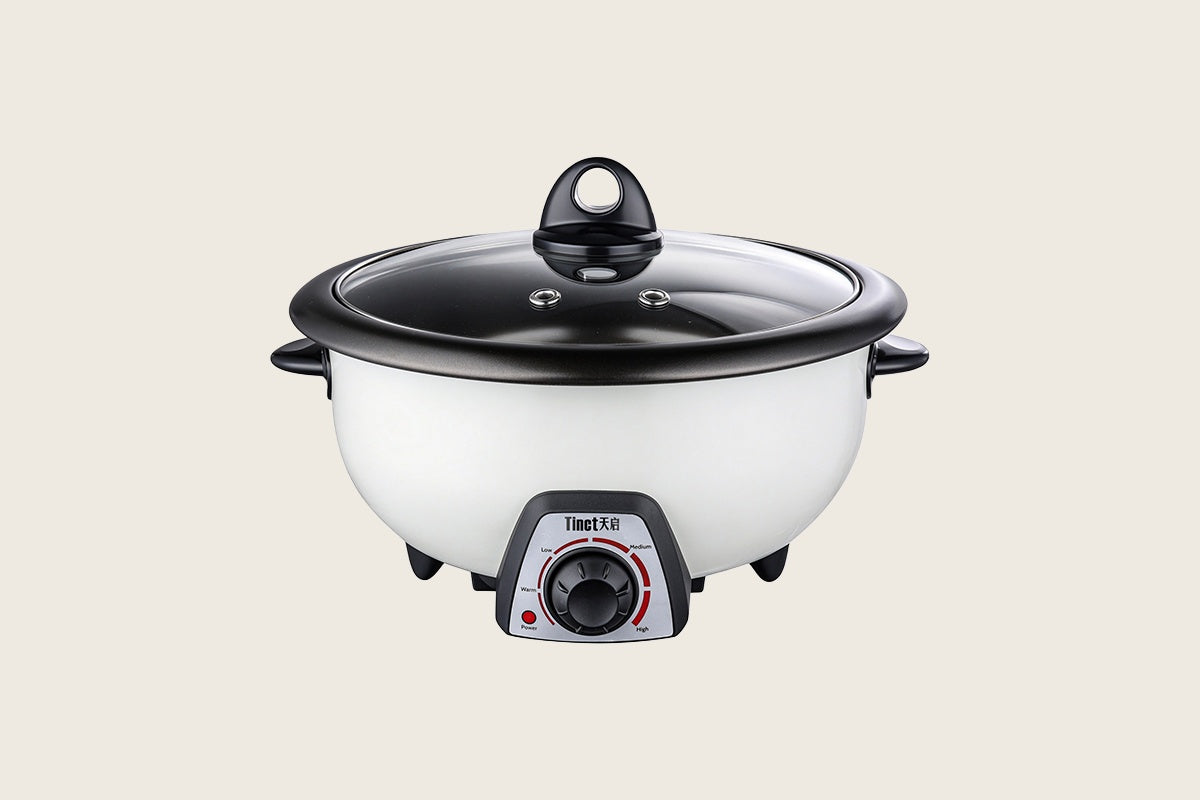
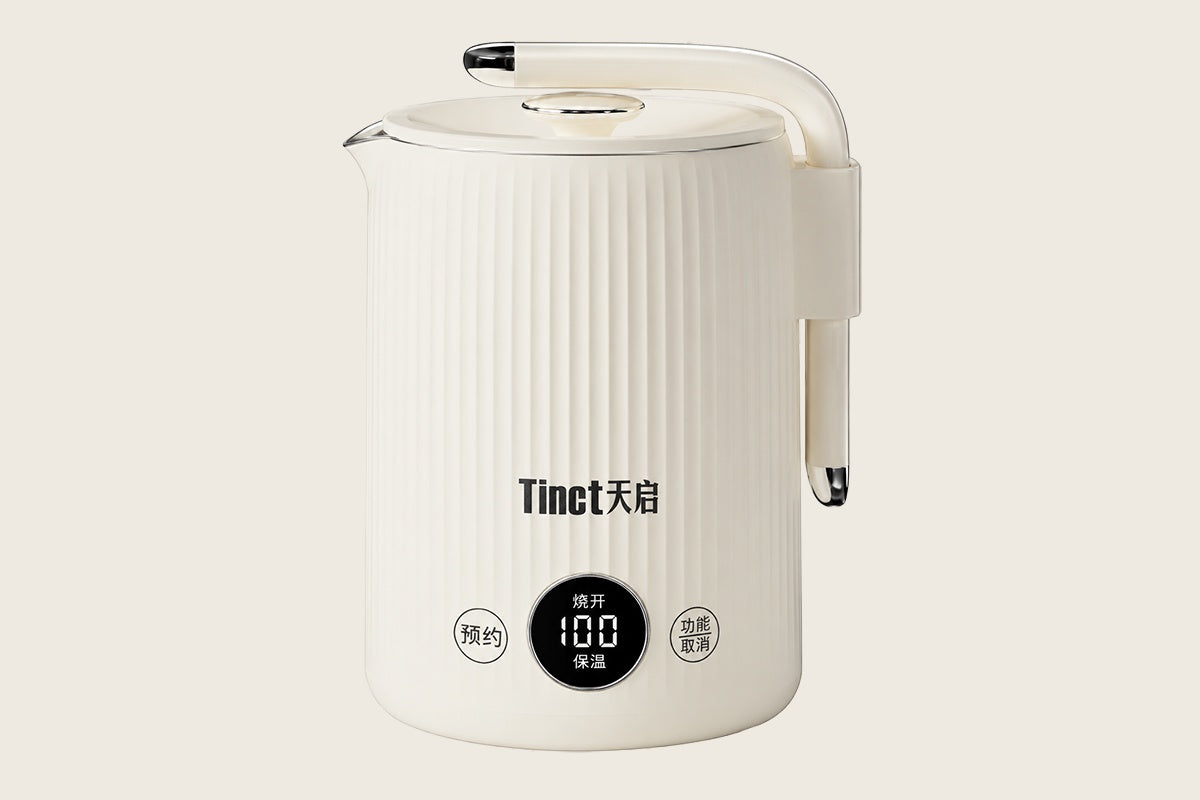
Forklifts unload incoming paper rolls and move goods through the premises. They also support dispatch, including loading rice cookers and electric kettles into trucks and shipping containers. Charging the electric fleet makes material handling another use of the factory's electricity supply, which includes both solar and grid power.
In the tasks transferred to electric forklifts, there is no diesel-engine exhaust at the point of use. Electric drive also reduces the engine noise associated with combustion-powered handling equipment. Toyota's technical guidance identifies quieter operation as an advantage of electric forklifts.[2] These are relevant changes for operators and employees working nearby, alongside the need to keep loading and dispatch moving.
Environmental responsibility in daily operating decisions
Our environmental approach includes how electricity is supplied and how handling equipment is powered. Solar generation reduces reliance on purchased electricity during the production hours it can cover. Replacing routine diesel handling with electric equipment reduces engine exhaust and noise around those activities.
We consider the working environment part of the same operational decision as production needs and handling capacity. Retaining backup equipment and access to grid electricity allows that transition to take place within the factory's actual operating requirements. For TINCT, these measures are already part of the work of making, packing and dispatching appliances.
Sources
[1] US Department of Energy. Solar Integration Solar Energy and Storage Basics
[2] Toyota Material Handling. Electric Forklifts


Leave a comment
This site is protected by hCaptcha and the hCaptcha Privacy Policy and Terms of Service apply.